

Spondylosis Treatment
Spondylosis Treatment in Haldwani
Spondylosis Treatment in Haldwani at Healthcapes addresses a condition most people simply know as spinal arthritis, the gradual, degenerative changes that happen in the spine as we age. As spinal discs lose fluid over time, they lose height and cushioning, while surrounding ligaments thicken and the cartilage around spinal joints wears away. The body tries to compensate by building bone spurs for added stability, but these spurs can press on nearby structures, which is often where the pain and stiffness actually come from.
Some people develop spondylosis earlier than others, particularly with a history of trauma, smoking, genetic predisposition, or physically demanding work.
What Causes Spondylosis

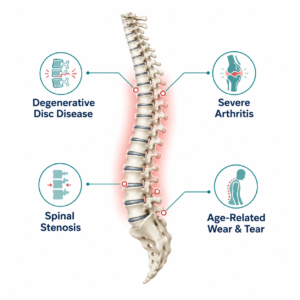
Spondylosis is most often the result of natural wear and tear on the spine over the years, sometimes accelerated by intense physical activity, but almost always tied to the aging process. As discs dehydrate, they lose their cushioning ability, leading to bone rubbing against bone and the formation of bone spurs that compensate for the missing cartilage. These spurs can press on the spinal cord or nearby nerves, contributing to pain or, in more significant cases, nerve compression. Common underlying contributors include degenerative disc disease, severe arthritis, and spinal stenosis.
Symptoms of Spondylosis by Location
Cervical Spondylosis (Neck)
Generalized aching or stiffness, often worse in the morning or at night, is common, along with pain that may radiate into the shoulder, head, or mid-back. Many describe it as muscle tightness or spasm. It can also cause headaches at the base of the skull that spread toward the forehead. When there’s pressure on nearby nerves, numbness, tingling, weakness, or pain may extend into the shoulder and arm.
Thoracic Spondylosis (Mid-Back)
Symptoms are similar to the cervical type, typically aching, stiffness, or pain in the mid-back described as muscle spasm or tightness. If nerves are affected, numbness, tingling, or pain may radiate into the chest, ribs, or abdomen.
Lumbar Spondylosis (Lower Back)
Generalized aching, pain, or stiffness in the lower back is common, sometimes with muscle spasms. Pressure on spinal nerves can cause numbness, tingling, pain, or weakness in the legs, and in more severe cases, symptoms of spinal stenosis.
Important: If spondylosis puts pressure on the spinal cord itself, it can cause symptoms of myelopathy, including difficulty with balance, heaviness in the arms or legs, bowel or bladder problems, or difficulty with fine motor skills. These symptoms need prompt medical evaluation and shouldn’t be left unaddressed.
Risk Factors for Spondylosis
- Advancing age
- Arthritis
- Obesity
- A past injury to the spine or neck
How We Diagnose Spondylosis at Healthcapes
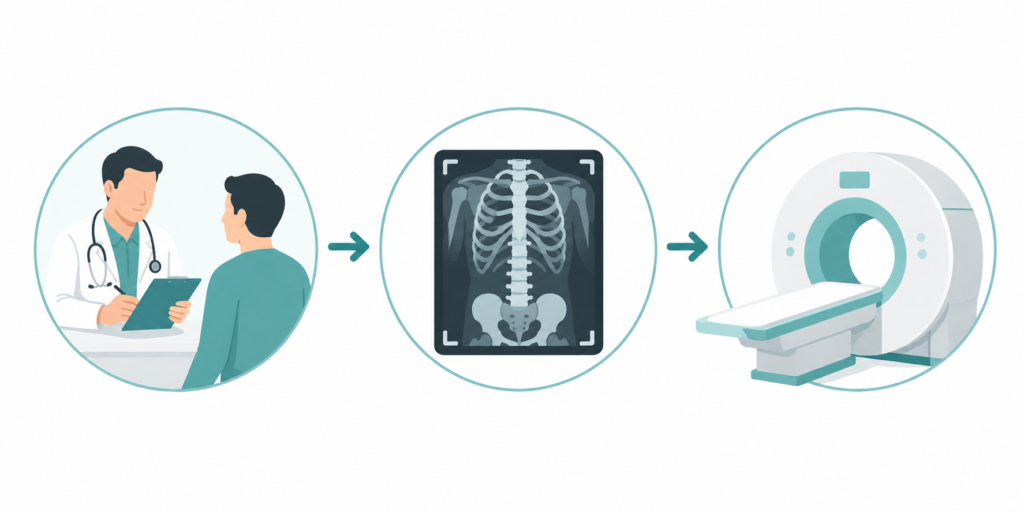
Diagnosis starts with a detailed discussion of your symptoms, when they started, and what triggers them, along with a thorough physical examination. Imaging plays a key role in confirming spondylosis, typically starting with X-rays of the affected area, with CT or MRI scans used for a more detailed evaluation when needed.
Spondylosis Treatment in Haldwani at Healthcapes
While spondylosis itself can’t be reversed, the right treatment plan makes a real difference in managing pain and preserving mobility. At Healthcapes, this typically includes physiotherapy to strengthen supporting muscles and improve flexibility, along with therapies like Deep Tissue Laser Therapy or Manipulation & Mobilization to ease pain and stiffness. We also work with you on posture and movement habits to help slow further degeneration and manage flare-ups over the long term.
Frequently Asked Questions
No, though the names are similar. Spondylosis is age-related wear and tear of the spine, while spondylitis is an autoimmune inflammatory condition. They require different approaches to treatment.
No. Most patients find it relaxing, similar to a deep tissue massage.
If you experience balance problems, bowel or bladder issues, or difficulty with fine motor skills alongside spine symptoms, seek prompt medical evaluation.
Yes, in most cases. Physiotherapy and targeted non-surgical treatments are effective for managing symptoms, with surgery reserved for severe nerve compression.
