
Chondromalacia Patella Treatment

Chondromalacia Patella Treatment in Haldwani

Chondromalacia Patella Treatment in Haldwani at Healthcapes is designed for a specific kind of knee pain that’s often misunderstood. It happens when the cartilage on the underside of the kneecap starts to soften and break down, causing the kneecap and thigh bone to rub against each other instead of gliding smoothly. The result is usually a dull ache around or behind the kneecap, sometimes with a grinding feeling when you bend the knee.

It’s especially common in young, active people, which often catches patients off guard, since knee problems are usually associated with older age.

What Causes Chondromalacia Patella

What Causes Chondromalacia Patella

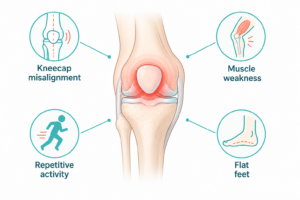
This condition usually develops when the kneecap doesn’t track properly against the thigh bone, causing repeated friction in the same spot. A few factors tend to contribute:

  • Abnormal kneecap positioning or alignment
  • Tightness or weakness in the muscles supporting the knee
  • Too much repetitive activity involving the knee
  • Flat feet, which can affect how weight and pressure travel through the leg
Symptoms of Chondromalacia Patella

The pain is usually described as a dull ache felt behind, below, or on the sides of the kneecap. Many patients also notice a grinding or catching sensation when:

  • Doing knee bends or squats
  • Going down stairs
  • Running downhill
  • Standing up after sitting for a while

Who's at Higher Risk

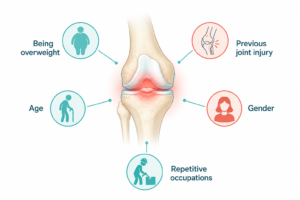
A few groups tend to be more prone to developing this condition:

  • People who are overweight, due to added pressure on the knee joint
  • Anyone with a previous knee injury, fracture, or dislocation
  • Runners, cyclists, soccer players, and others who exercise the knee frequently
  • Teenagers and young adults, particularly females
How We Diagnose Chondromalacia Patella at Healthcapes

Diagnosis typically starts with a physical examination of the knee to understand where the pain is coming from and how the kneecap moves. If the picture isn’t fully clear, we may recommend blood tests or a standard X-ray to rule out arthritis or inflammation, an MRI scan for a more detailed look at the cartilage, or in some cases, arthroscopy, where a small camera is used to directly examine the cartilage surface.

Chondromalacia Patella Treatment in Haldwani at Healthcapes

Treatment focuses on relieving pain while addressing what’s actually causing the friction under the kneecap. At Healthcapes, this usually means a combination of physiotherapy to strengthen and rebalance the muscles around the knee, along with therapies like Deep Tissue Laser Therapy to reduce inflammation and support healing. Since muscle weakness and tightness are common contributors, we also focus on correcting the underlying movement patterns, not just easing the pain in the moment, so the problem is less likely to keep coming back.

Frequently Asked Questions

Is chondromalacia patella the same as arthritis?

No. It specifically involves the cartilage under the kneecap, while arthritis affects the broader joint. They can share some symptoms, which is why proper diagnosis matters.

Can I still exercise with chondromalacia patella?

Often yes, but certain movements may need to be modified temporarily. Your therapist can guide you on which activities to adjust while you recover.

Will this condition go away on its own?

It can improve with rest and activity modification, but addressing the underlying muscle imbalance or alignment issue usually leads to better, longer-lasting results.

Do I need surgery for chondromalacia patella?

Rarely. Most cases respond well to physiotherapy and targeted non-surgical treatment. Surgery is only considered in persistent, severe cases.

Scroll to Top