
Motor neuron disease
Motor Neuron Disease Physiotherapy in Haldwani
Motor Neuron Disease Physiotherapy in Haldwani at Healthcapes supports patients living with this uncommon condition affecting the brain and nerves, causing muscle weakness that progressively worsens over time. There’s currently no cure for MND, but treatment and supportive care can genuinely help manage its impact on daily life, and some people live with the condition for many years.
Motor neurons in the brain and spinal cord send electrical signals that control movement in the arms, legs, trunk, neck, and head. As these neurons degenerate, muscles gradually weaken and waste away, affecting speech, swallowing, movement, and breathing over time.
Types of Motor Neuron Disease
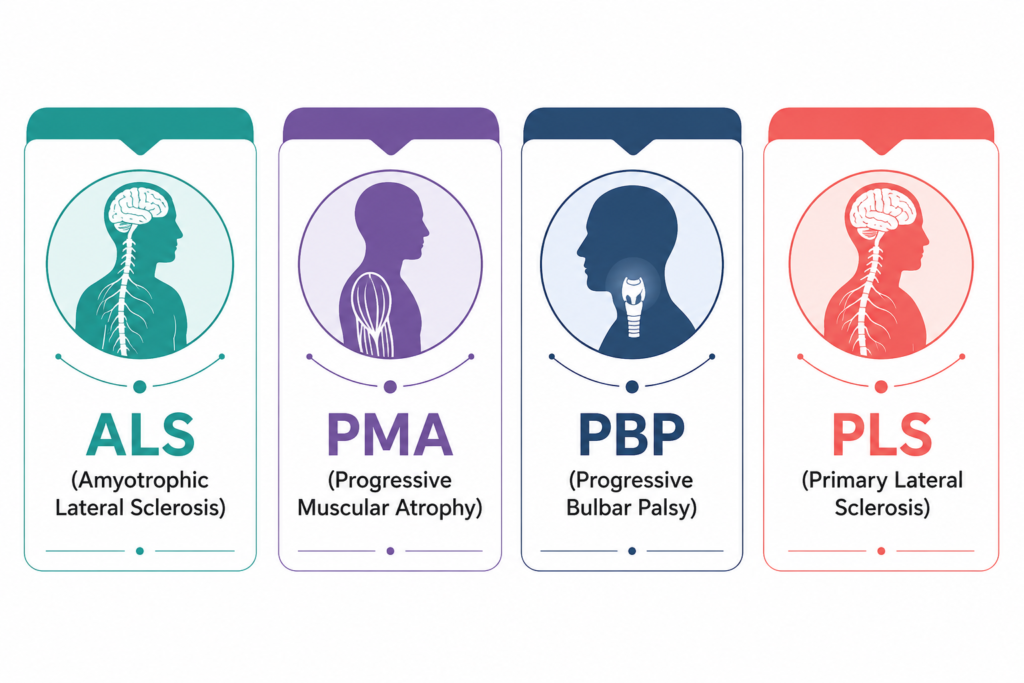
There are several forms of MND, each named for its particular pattern of symptoms:
- Amyotrophic lateral sclerosis (ALS) — the most common form, also known as Lou Gehrig’s disease
- Progressive muscular atrophy (PMA)
- Progressive bulbar palsy (PBP)
- Primary lateral sclerosis (PLS) — a rarer form, often only provisionally diagnosed
What Causes Motor Neuron Disease
Most cases occur randomly, with no identifiable cause. However, 5 to 10% of people have a family history of the disease, suggesting a genetic link in these cases. MND is most commonly diagnosed in people over 40, particularly between ages 50 and 70, though symptoms can occasionally appear as early as someone’s 20s. Onset is usually gradual, though younger patients may experience faster progression.
Symptoms of Motor Neuron Disease
Symptoms develop gradually and may not be obvious at first. Early signs can include:
- Weakness in the ankle or leg, leading to tripping or difficulty climbing stairs
- Slurred speech, which may progress to difficulty swallowing certain foods
- A weakening grip, leading to dropped items or trouble with buttons or jars
- Muscle cramps and twitches
- Noticeable muscle thinning in the arms or legs
- Difficulty controlling emotional responses, like crying or laughing inappropriately
As the condition progresses, it can affect the ability to walk, use the hands and arms, speak clearly, swallow, or hold up the head. Weakness in the respiratory muscles can make breathing and coughing difficult, and swallowing difficulties raise the risk of lung infections, a common cause of death in MND. Pain can also occur, most often related to muscle cramps, immobility, or musculoskeletal strain. Importantly, MND does not affect touch, sight, smell, hearing, or intellect.

How Motor Neuron Disease Is Diagnosed
There’s no single specific test for MND, which can make early diagnosis challenging. Diagnosis relies on a complete medical history and physical examination, along with tests including:
- Electromyogram (EMG) — tests electrical muscle function
- Nerve conduction study (NCS) — assesses how well nerves send signals
- Blood tests and MRI scans — help rule out other possible causes
Motor Neuron Disease Physiotherapy in Haldwani at Healthcapes
While MND itself requires ongoing neurological management, physiotherapy plays a genuinely valuable supportive role in maintaining function, comfort, and quality of life for as long as possible. At Healthcapes, this typically includes gentle exercises to maintain mobility and manage muscle cramps, along with guidance on positioning and movement to reduce discomfort from immobility. We work closely within the guidance of your treating neurologist, focusing on the physical and functional side of living with the condition day to day.
Frequently Asked Questions
No, there’s currently no cure. Treatment focuses on managing symptoms and supporting quality of life for as long as possible.
Yes, physiotherapy can help manage muscle cramps, maintain mobility where possible, and support comfort, working alongside your neurologist’s care.
In most cases, no clear cause is found, though 5-10% of cases have a family history suggesting a genetic link.
No, MND primarily affects movement, speech, and muscle function, not touch, sight, smell, hearing, or intellect.