
Muscle Spasm Treatment
Muscle Spasm Treatment in Haldwani
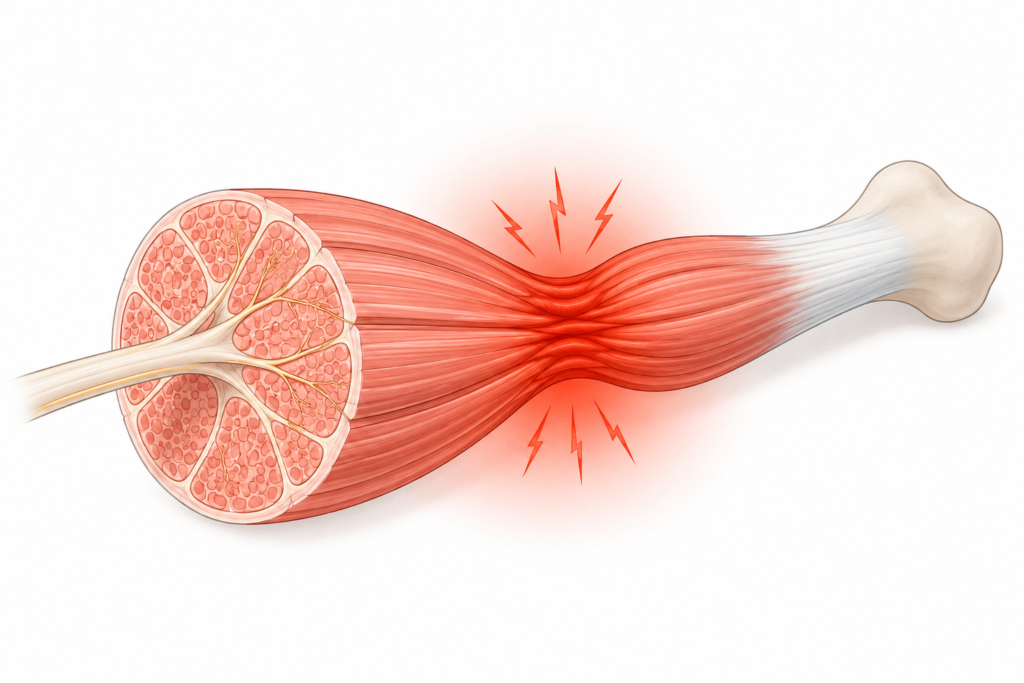
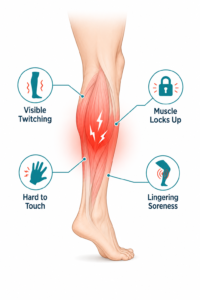
Muscle Spasm Treatment in Haldwani at Healthcapes helps patients dealing with sudden, involuntary muscle contractions that can range from a mild, barely noticeable twitch to a spasm painful enough to stop you in your tracks. Spasms can last anywhere from a few seconds to 15 minutes or longer, and they can recur multiple times before finally settling down. The affected muscle often feels harder than usual and may even look visibly distorted or twitching.
What Causes Muscle Spasms
Muscle spasms can develop for a range of reasons, and the underlying cause often shapes the type of cramp experienced:
- Dehydration
- Muscle overuse or strain
- A protective response, such as around a broken bone
- Low blood calcium or magnesium
- Exercising in hot conditions
- Electrolyte depletion
- Certain neurological conditions
Spasms are common and can affect nearly any part of the body, though they tend to show up most often in the feet, hands, arms, thighs, abdomen, and the muscles around the rib cage. Muscle fatigue and overuse are among the most frequent triggers, while stress or anxiety can cause facial twitching, and trapped nerves can lead to spasms in the back.
Athletes who skip warming up, or who exercise in very hot conditions, are especially prone to spasms, a well-known example being the “charley horse” cramp often felt in runners’ calves. Not drinking enough water before exercise adds to the risk as well.
Who's More Prone to Muscle Spasms
Certain groups tend to experience spasms more frequently:
- Older adults
- Athletes
- People who are overweight or living with obesity
- Pregnant women
- People with certain health conditions, such as nerve disorders or thyroid-related issues
Symptoms of a Muscle Spasm

Not every spasm is painful. Some feel like the muscle is briefly jumping or twitching on its own, usually lasting just a few seconds, and sometimes visible to the eye. Others feel like the entire muscle has locked up and can’t move, most commonly in the legs, which can be genuinely painful. While the cramping itself often passes within several minutes, some soreness can linger afterward.
When to pay closer attention: If a spasm occurs alongside symptoms like back, neck, or head pain, muscle weakness, numbness, a pins-and-needles sensation, tremor, paralysis, poor coordination, slowed movement, double vision, or sleep problems, it’s worth getting properly evaluated, as this can point to an underlying neurological condition rather than a routine spasm.
How We Diagnose the Cause of Muscle Spasms at Healthcapes
Diagnosis starts with understanding when your spasms occur, how long they last, and what seems to trigger them, along with a physical examination. Since spasms can stem from several different causes, from dehydration to nerve-related issues, we take a thorough approach to identifying the actual source before recommending treatment.
Muscle Spasm Treatment in Haldwani at Healthcapes
Once we understand what’s triggering your spasms, we build a treatment plan around addressing that specific cause. This often includes physiotherapy to release tight muscles and correct movement patterns that may be contributing, along with therapies like Deep Tissue Laser Therapy or Matrix Rhythm Therapy to ease muscle tension. For patients dealing with recurring spasms, we also focus on practical prevention strategies tailored to their triggers.
Preventing Muscle Spasms
A few simple habits can meaningfully reduce how often spasms occur:
- Stay well hydrated, especially before exercise
- Stretch before exercising or repetitive activity
- Stretch your limbs before bed if you tend to get night-time leg cramps
Frequently Asked Questions
Yes. Prolonged poor posture places excess strain on muscles and joints, which commonly leads to back pain, headaches, and muscle fatigue over time.
This varies depending on how long the pattern has been present and its severity, but consistent physiotherapy and daily habit changes typically show gradual improvement over several weeks to months.
While usually not dangerous on its own, forward head posture from prolonged phone or screen use can lead to ongoing neck tension and headaches if left unaddressed
Some improvement is possible with awareness and home exercises, but a proper assessment helps identify your specific pattern and ensures you’re strengthening the right muscles effectively.
