
Parkinson's Disease Physiotherapy
Parkinson's Disease Physiotherapy in Haldwani
Parkinson’s Disease Physiotherapy in Haldwani at Healthcapes supports patients living with this chronic, progressive movement disorder. Parkinson’s affects the nervous system, specifically nerve cells that produce dopamine, a chemical responsible for coordinating smooth, controlled movement. As these cells gradually die off or stop working properly, dopamine levels drop, making it harder to control movement. There’s currently no cure, but the right combination of medical management and physiotherapy can genuinely help manage symptoms and support quality of life.
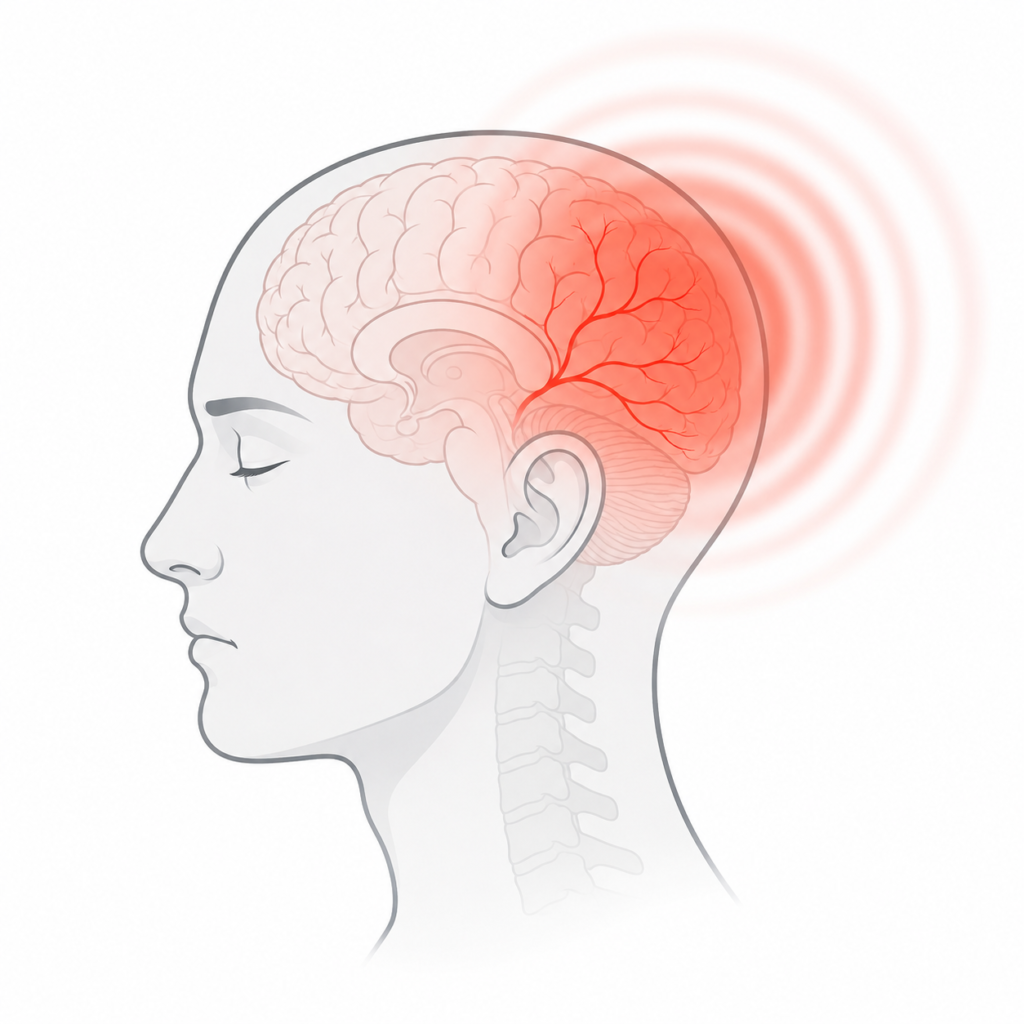
What Causes Parkinson's Disease
The exact cause isn’t known. In a small number of cases, genetics play a role, either inherited from a family member or through a gene mutation. Environmental factors may also contribute; long-term exposure to certain toxins, such as pesticides, appears to raise the risk. Age is a significant factor too, with risk increasing notably after 60, and men are affected more often than women.
Symptoms of Parkinson's Disease
Primary Motor Symptoms
- Tremor — shaking or trembling in the hands, arms, legs, jaw, or face, often subtle at first, typically worse at rest and improving with movement
- Slowed movement (bradykinesia) — simple tasks like standing up or buttoning a shirt begin taking noticeably longer
- Muscle stiffness (rigidity) — muscles contract and stiffen, making everyday movement harder
- Posture and balance problems — difficulty standing or sitting upright, along with an increased risk of falls
Other Motor Symptoms
- A “freezing” sensation, where feet feel stuck to the floor
- Handwriting that gradually becomes smaller
- Reduced facial expression
- In some cases, movements that become unusually quick rather than slow
Non-Motor Symptoms
Parkinson’s can also involve loss of smell, constipation, mood changes, sleep disturbances, excess saliva, weight changes, vision or dental issues, and fatigue. Some patients also experience cognitive changes, including memory difficulties and slowed thinking, and in some cases, a form of dementia specific to Parkinson’s.
How Parkinson's Disease Is Diagnosed
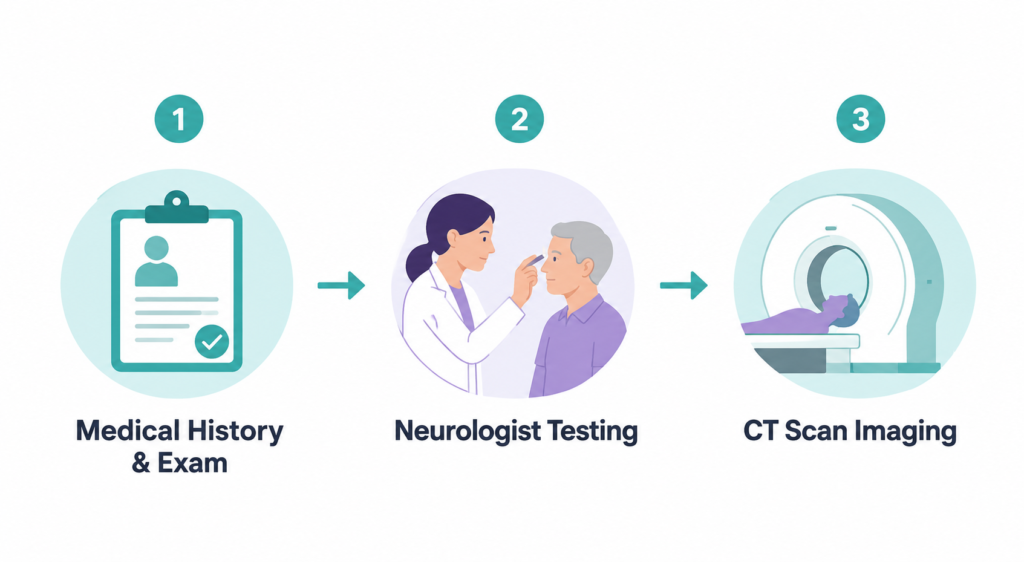
There’s no single test that confirms Parkinson’s disease. A diagnosis typically requires at least two of the four primary motor symptoms, along with a review of medical history and physical examination. Patients are often referred to a neurologist, who may assess balance, muscle function, gait, and coordination through specific tasks, and imaging like a CT scan may be used to rule out other conditions.
Parkinson's Disease Physiotherapy in Haldwani at Healthcapes
While Parkinson’s itself requires ongoing neurological management, physiotherapy plays a genuinely valuable supportive role in daily function and quality of life. At Healthcapes, this typically includes targeted exercises to help maintain mobility, balance, and posture, along with gait training to reduce fall risk and support safer movement. We work alongside your neurologist’s treatment plan, focusing on the physical and functional side of managing the condition day to day, rather than replacing medical care.
Frequently Asked Questions
No, there’s currently no cure. However, a combination of medical treatment and physiotherapy can help manage symptoms and support quality of life significantly.
Yes, particularly for maintaining mobility, balance, posture, and reducing fall risk. It works best as part of an overall treatment plan alongside a neurologist’s care.
In most cases, no clear cause is identified, though genetics do play a role in a small number of cases.
There’s currently no known way to prevent or avoid Parkinson’s disease.