
Jumper's Knee Treatment
Jumper's Knee Treatment in Haldwani
Jumper’s Knee Treatment in Haldwani at Healthcapes helps athletes and active individuals dealing with patellar tendonitis, inflammation of the tendon connecting your kneecap to your shinbone. Despite the name, you don’t need to be a jumper to develop it; anyone who puts repeated strain on this tendon can be affected. Left untreated, the tendon weakens over time and can eventually tear, which is exactly why catching it early makes such a difference.
What Causes Jumper's Knee
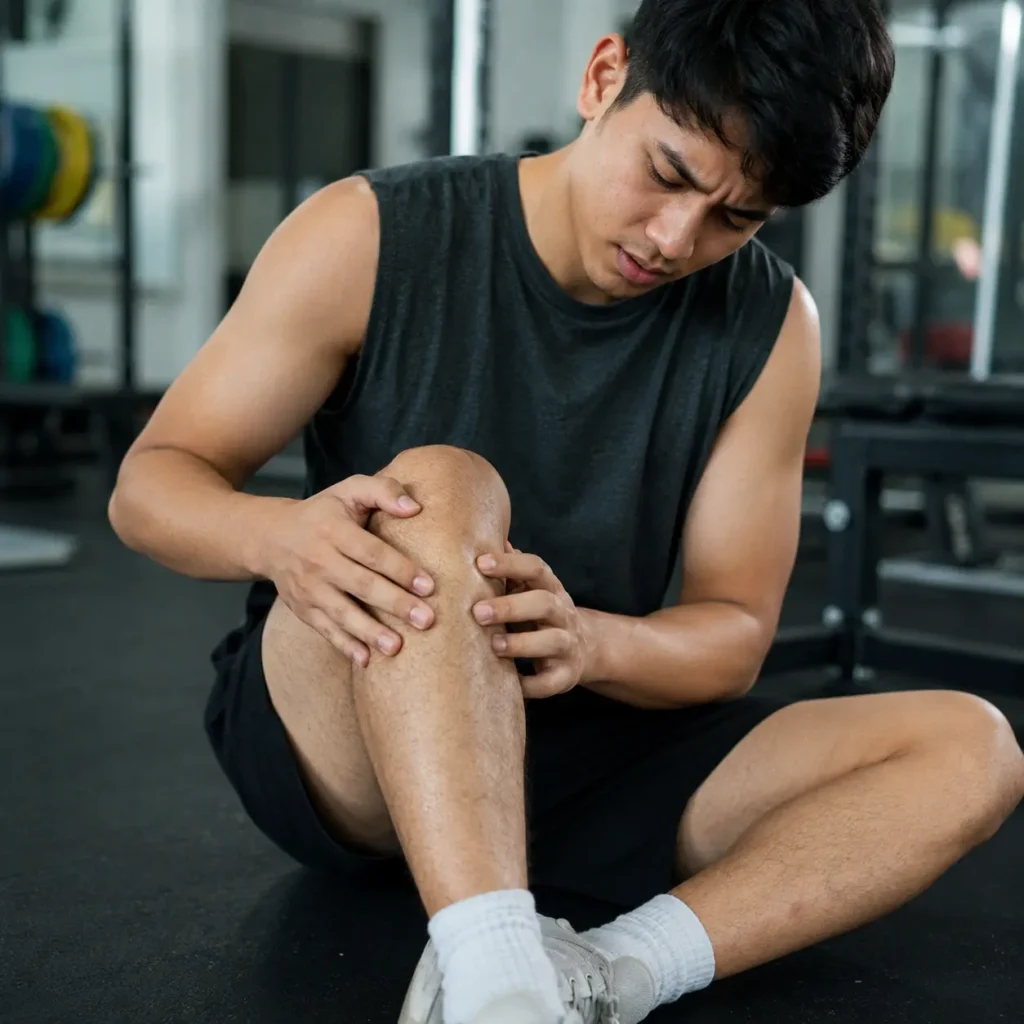
Jumper’s knee develops from overuse of the knee joint, most commonly linked to sports involving frequent jumping on hard surfaces, such as basketball, volleyball, and athletics. Each time you land, your leg muscles contract forcefully to absorb the impact, and this force travels directly through the patellar tendon. Repeated stress like this, especially without adequate recovery time between sessions, gradually leads to inflammation and micro-damage in the tendon.
Symptoms of Jumper's Knee
Common symptoms include:
- Pain and tenderness around the patellar tendon, just below the kneecap
- Swelling around the tendon
- Pain that worsens with jumping, running, or walking
- Pain when bending or straightening the leg
- Tenderness felt behind the lower part of the kneecap
Symptoms often start mild, sometimes only noticeable after activity, and gradually worsen if training continues without addressing the underlying inflammation.
How We Diagnose Jumper's Knee at Healthcapes
Diagnosis typically starts with a complete discussion of your activity levels and symptoms, along with a physical examination of the knee and tendon. We may recommend an X-ray to rule out other bone-related causes of your knee pain, and in some cases, an ultrasound or MRI can give a clearer picture of the extent of tendon damage.
Jumper's Knee Treatment in Haldwani at Healthcapes
Once we understand the extent of your tendon inflammation, we build a treatment plan around it. This typically includes physiotherapy to strengthen the muscles supporting the knee and correct movement patterns that may be adding strain, along with therapies like Deep Tissue Laser Therapy or Shock Wave Therapy to reduce inflammation and support tendon healing. We also work with you on activity modification and load management, so you can return to sport with a lower risk of the injury recurring.