
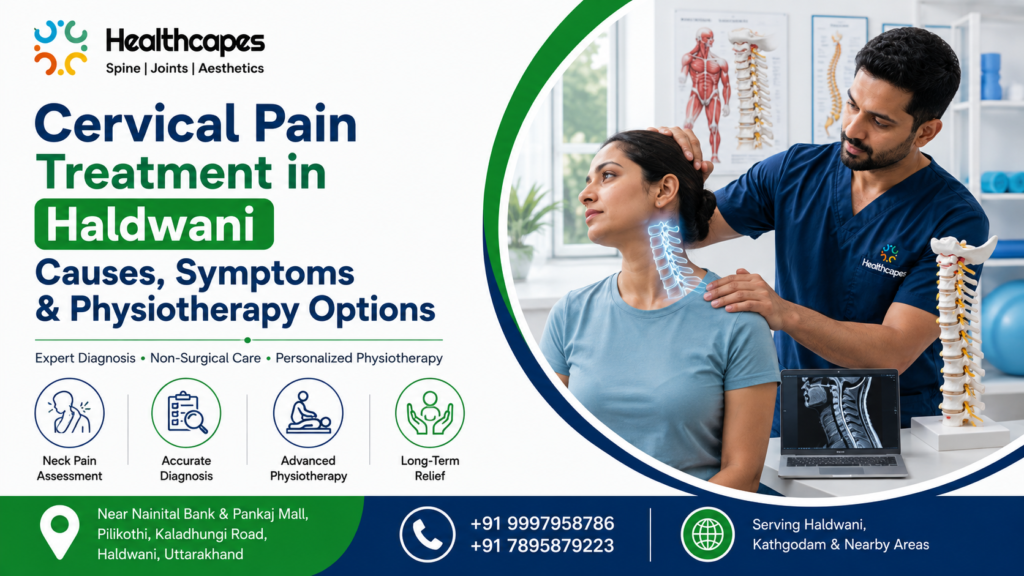
Cervical pain treatment in Haldwani can help people manage persistent neck pain, stiffness, and reduced movement that may interfere with their everyday activities. Whether your neck pain is caused by poor posture, long hours in front of a computer, an old injury, or age-related changes in the cervical spine, getting the right diagnosis and treatment can make a significant difference.
Neck pain is becoming increasingly common among people who spend long hours working on laptops, using smartphones, or sitting in the same position for extended periods. While occasional discomfort may improve with rest and simple lifestyle changes, ongoing or recurring pain should not be ignored.
Physiotherapy is one of the commonly used approaches for managing many types of cervical pain. A qualified physiotherapist can assess your symptoms, identify factors contributing to your discomfort, and create a treatment plan based on your individual needs.
If you are searching for cervical pain treatment in Haldwani, understanding the possible causes, symptoms, and available physiotherapy options can help you make a more informed decision about your health.
What Is Cervical Pain?
Cervical pain refers to discomfort in the neck region, which includes the seven vertebrae located at the upper part of the spine. The cervical spine supports the head and allows the neck to move in different directions.
The neck contains bones, muscles, joints, nerves, and other soft tissues that work together to provide stability and movement. When any of these structures become strained, irritated, or injured, it may result in neck pain or stiffness.
Cervical pain can be temporary or long-lasting. Some people experience mild discomfort after sleeping in an awkward position, while others may have persistent pain associated with conditions such as cervical spondylosis or nerve irritation.
If you are experiencing recurring neck pain, consult a healthcare professional for an appropriate assessment rather than trying to diagnose the underlying cause yourself.
Common Causes of Cervical Pain
There is no single cause of neck pain. Different people may experience cervical discomfort for different reasons.
Some common causes include:
1. Poor Posture
Poor posture is one of the most common contributors to neck discomfort. Sitting with your head pushed forward while working on a computer or looking down at your phone can place additional stress on the muscles and joints of the neck.
Over time, maintaining an awkward posture for several hours every day may contribute to muscle fatigue, stiffness, and discomfort.
2. Long Hours at a Desk
People who work at computers for long periods may develop neck pain because of prolonged sitting and limited movement. An improperly positioned monitor, unsupported back, or incorrect chair height can also contribute to poor posture.
Taking regular breaks and maintaining a comfortable workstation setup can help reduce unnecessary strain.
3. Muscle Strain
Neck muscles can become strained because of sudden movements, excessive physical activity, or maintaining one position for too long. Even everyday activities such as carrying a heavy bag or sleeping in an uncomfortable position may lead to temporary neck stiffness.
4. Cervical Spondylosis
Cervical spondylosis is a condition associated with age-related changes in the cervical spine. These changes may affect the discs and joints in the neck and can sometimes contribute to pain, stiffness, or restricted movement.
Not everyone with age-related changes experiences symptoms, but those who do may benefit from appropriate medical evaluation and physiotherapy.
5. Previous Injuries
Neck injuries caused by falls, sports activities, or road accidents may result in pain and stiffness. Whiplash injuries, for example, can affect the muscles and soft tissues around the neck.
If you have recently experienced an injury and are experiencing significant pain, it is important to seek professional medical evaluation.
6. Nerve Irritation
In some cases, changes in the cervical spine may irritate or compress a nerve. This can sometimes cause symptoms that extend beyond the neck, such as pain, tingling, numbness, or weakness in the shoulder, arm, or hand.
These symptoms should be evaluated by a qualified healthcare professional.
Symptoms of Cervical Pain
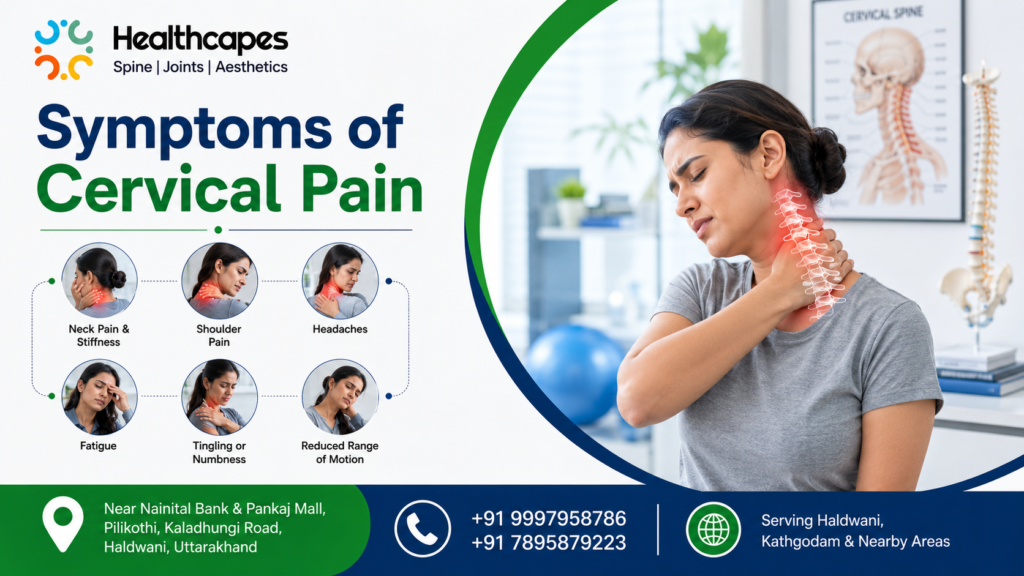
Cervical pain does not feel the same for everyone. Symptoms can range from mild stiffness to more persistent discomfort.
Common symptoms may include:
- Neck pain or soreness
- Stiffness in the neck
- Difficulty turning or moving the head
- Pain that becomes worse after prolonged sitting
- Muscle tightness around the neck and shoulders
- Headaches associated with neck tension
- Pain extending towards the shoulders
- Tingling or numbness in the arm or hand
- Reduced range of neck movement
If you experience severe pain, sudden weakness, significant numbness, or symptoms following a serious injury, seek prompt medical attention.
When Should You Seek Cervical Pain Treatment?
Not every episode of neck discomfort requires immediate professional treatment. Mild stiffness caused by temporary factors may improve with rest, movement, and simple self-care.
However, you should consider consulting a healthcare professional if:
- Your neck pain continues for several days or keeps returning.
- Pain is affecting your work or daily activities.
- You have difficulty moving your neck normally.
- The pain is becoming progressively worse.
- You experience numbness or tingling in your arms or hands.
- You have weakness in your arms or hands.
- Your symptoms started after an accident or injury.
- Neck pain is accompanied by other concerning symptoms.
Early assessment can help identify the possible cause of your symptoms and determine whether physiotherapy or another form of treatment may be appropriate.
How Can Physiotherapy Help With Cervical Pain?
Physiotherapy focuses on improving movement, managing pain, and helping patients return to their normal activities. The treatment approach depends on the individual’s condition, symptoms, physical assessment, and overall health.
A physiotherapist may begin with a detailed assessment of your posture, neck movement, muscle strength, flexibility, and functional limitations.
Based on the findings, your treatment plan may include:
Manual Therapy
Manual therapy involves hands-on techniques that may be used to improve movement and reduce stiffness in appropriate cases.
Depending on your condition, a physiotherapist may use techniques designed to address restricted movement in the neck and surrounding areas.
Therapeutic Exercises
Exercise is often an important part of physiotherapy for neck pain. A physiotherapist may recommend specific exercises to improve:
- Neck mobility
- Muscle strength
- Flexibility
- Postural control
- Shoulder and upper-back strength
The exercises should be selected according to your condition and performed with appropriate guidance.
Posture Correction
If poor posture contributes to your symptoms, your physiotherapist may help you understand how your daily habits affect your neck.
You may receive guidance on:
- Sitting posture
- Computer screen positioning
- Smartphone use
- Sleeping positions
- Workplace ergonomics
- Taking movement breaks
Small changes in daily habits can sometimes help reduce repeated strain on the neck.
Soft Tissue Techniques
Tight muscles around the neck, shoulders, and upper back may contribute to discomfort. Depending on your assessment, a physiotherapist may use appropriate soft tissue techniques to address muscle tightness.
Education and Self-Management
Understanding your condition can help you take an active role in your recovery. Your physiotherapist may explain what may be contributing to your symptoms and provide advice about exercises, posture, activity modification, and home care.
You can also explore Healthcapes’ physiotherapy services to learn more about the available treatment approach.
Other Physiotherapy Options for Cervical Pain
Depending on the cause and severity of your symptoms, a physiotherapy professional may consider different treatment approaches.
Some physiotherapy and rehabilitation options may include:
- Exercise-based rehabilitation
- Manual therapy
- Mobilization techniques
- Postural correction
- Soft tissue treatment
- Therapeutic modalities
- Personalized home exercise programs
- Patient education
Advanced treatment modalities may also be considered in selected cases when clinically appropriate. The right treatment should always be based on an individual assessment rather than choosing a therapy simply because it is popular.
If you are interested in learning about advanced treatment approaches, you can explore the pain management services at Healthcapes and discuss your symptoms with a qualified professional.
Can Cervical Pain Be Prevented?
Not every cause of cervical pain can be prevented, but several lifestyle habits may help reduce unnecessary strain on your neck.
Maintain a Comfortable Working Posture
If you work at a desk, try to keep your screen at a comfortable height and avoid bending your neck forward for long periods.
Take Regular Breaks
Avoid staying in one position for several hours. Stand up, move around, and change your position regularly.
Be Careful With Smartphone Use
Looking down at your phone for extended periods can increase strain on the neck. Try to hold your device at a comfortable height and take frequent breaks.
Stay Physically Active
Regular physical activity can help maintain overall strength and mobility. If you have existing neck pain, choose activities that are appropriate for your condition.
Pay Attention to Your Sleeping Position
An uncomfortable sleeping position may contribute to morning stiffness and neck discomfort. If you frequently wake up with neck pain, consider discussing your sleeping habits with a healthcare professional.
How to Choose a Physiotherapy Clinic in Haldwani for Cervical Pain
If you are looking for cervical pain treatment in Haldwani, choosing the right clinic is an important decision.
Consider the following factors:
- The qualifications and experience of the physiotherapy team
- Whether the clinic provides individualized treatment plans
- The clinic’s approach to assessment and rehabilitation
- Availability of relevant physiotherapy services
- The cleanliness and overall environment of the clinic
- Whether the treatment plan includes education and home exercises
- The clinic’s approach to long-term recovery
Avoid choosing a treatment solely because it promises instant or guaranteed results. Recovery from cervical pain can vary from one person to another, and the treatment plan should be based on your individual condition.
Why Consider Healthcapes for Cervical Pain Treatment in Haldwani?
Healthcapes is a physiotherapy and pain management clinic serving people in Haldwani. The clinic focuses on personalized care and physiotherapy-based approaches for individuals dealing with pain, movement limitations, and rehabilitation needs.
If you are experiencing persistent neck discomfort, the first step is to understand the possible cause of your symptoms. A professional assessment can help determine whether physiotherapy may be suitable for your condition.
Healthcapes offers various physiotherapy and pain management services, which may be considered depending on an individual’s symptoms and clinical assessment.
You can visit the Healthcapes physiotherapy clinic in Haldwani to learn more about the clinic and enquire about an appointment.
Final Thoughts
Cervical pain can affect more than just your neck. Persistent discomfort may make it difficult to work, exercise, sleep comfortably, or enjoy everyday activities.
The good news is that many people with neck pain can benefit from appropriate assessment, lifestyle modifications, and a personalized rehabilitation approach. Physiotherapy may help address factors such as reduced mobility, muscle weakness, stiffness, and poor posture, depending on the underlying cause.
If you are searching for cervical pain treatment in Haldwani, consider getting your symptoms properly assessed instead of relying on self-treatment for a long period. A qualified physiotherapist can help identify contributing factors and guide you towards an appropriate treatment and rehabilitation plan.
For people living in Haldwani and nearby areas, Healthcapes provides physiotherapy and pain management services designed around individual patient needs. Contact the clinic to discuss your symptoms and find out which treatment options may be appropriate for you.
FAQs
1. What is the best treatment for cervical pain?
The appropriate treatment depends on the underlying cause of cervical pain. Physiotherapy, exercises, posture correction, and lifestyle modifications may help some people. However, a professional assessment is recommended to determine the most suitable treatment for your specific condition.
2. Can physiotherapy help with cervical pain?
Yes, physiotherapy may help many people manage cervical pain by addressing factors such as stiffness, reduced mobility, muscle weakness, and poor posture. A physiotherapist can create an individualized treatment plan based on your symptoms and physical assessment.
3. How long does cervical pain take to improve?
The recovery time varies depending on the cause, severity, duration of symptoms, and individual health factors. Some people may improve within a short period, while persistent or chronic conditions may require a longer rehabilitation program.
4. Can poor posture cause cervical pain?
Yes, maintaining poor posture for extended periods may place additional stress on the muscles and structures around the neck. Improving your sitting position, taking regular breaks, and maintaining proper ergonomics may help reduce unnecessary strain.
5. When should I see a physiotherapist for neck pain?
You may consider consulting a physiotherapist if your neck pain persists, keeps returning, affects your daily activities, or limits your movement. If you have severe symptoms, significant weakness, numbness, or pain after a serious injury, seek appropriate medical evaluation promptly.
6. Is cervical pain the same as cervical spondylosis?
No. Cervical pain is a general term for pain or discomfort in the neck, while cervical spondylosis refers to age-related changes in the cervical spine. Cervical spondylosis may cause neck pain and stiffness in some people, but not everyone with these changes experiences symptoms.
7. Can I do neck exercises at home?
Some people may benefit from home exercises, but the right exercises depend on the cause of your neck pain and your physical condition. It is best to get professional guidance before starting exercises, particularly if you have severe pain, numbness, tingling, or symptoms following an injury.
8. Where can I find cervical pain treatment in Haldwani?
If you are looking for cervical pain treatment in Haldwani, you can consult a qualified physiotherapy professional for an assessment. Healthcapes provides physiotherapy and pain management services in Haldwani, where your symptoms can be discussed and an appropriate treatment approach can be considered based on your individual needs.