
De Quervain's Tenosynovitis Treatment
De Quervain's Tenosynovitis Treatment in Haldwani
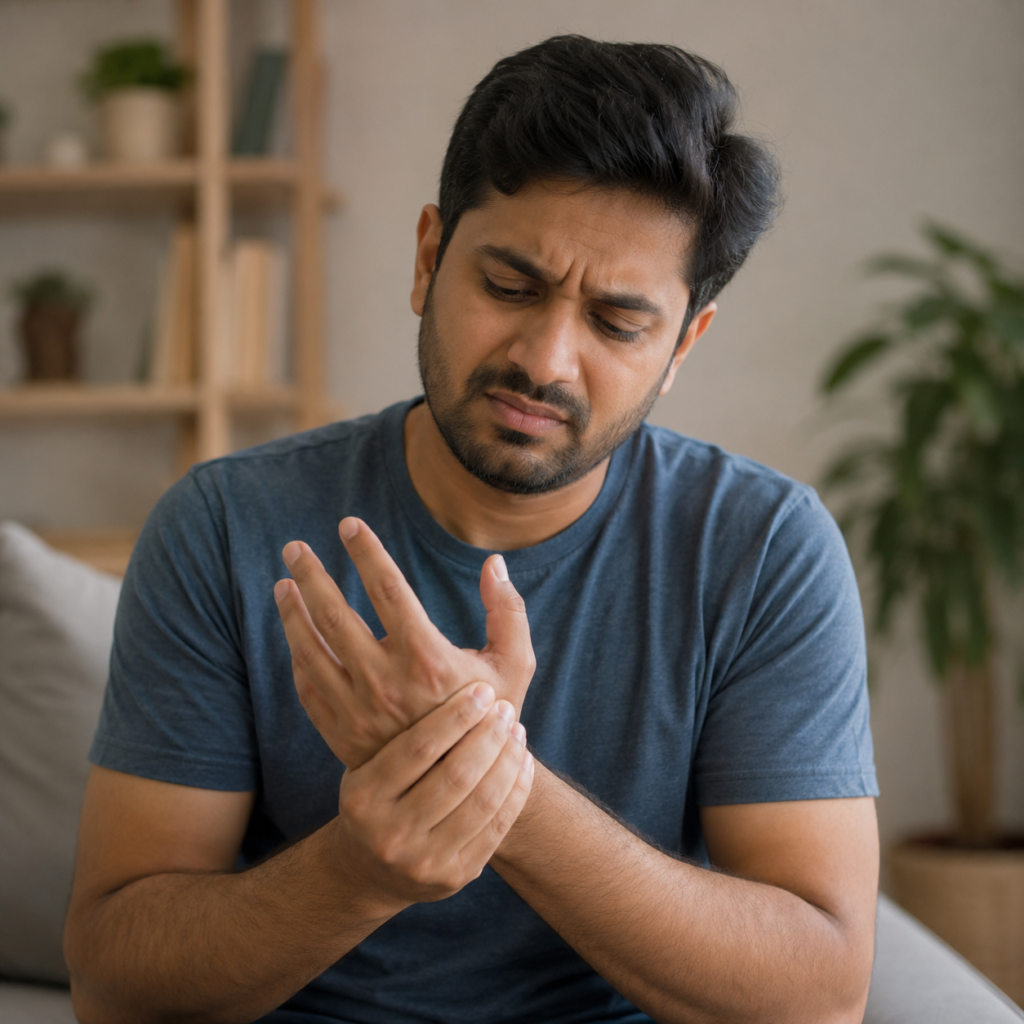
De Quervain’s Tenosynovitis Treatment in Haldwani at Healthcapes addresses one of the more common types of tendon inflammation, a painful swelling affecting specific tendons at the base of the thumb. When it develops, moving the thumb and wrist normally can become genuinely difficult. It’s caused by overuse, repetitive grasping, or inflammatory conditions like arthritis, and interestingly, it affects women eight to ten times more often than men.
Understanding De Quervain's Tenosynovitis

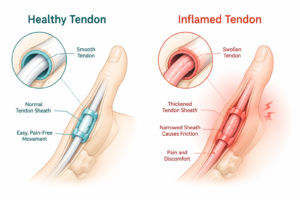
Tendons are bands of tissue connecting muscles to bones, and they normally slide smoothly through a protective tunnel of tissue called a sheath. This sheath keeps the tendons positioned correctly alongside the bones of the thumb, allowing pain-free movement. With De Quervain’s tenosynovitis, the tendons swell, or the sheath thickens, creating friction that stops the tendons from sliding easily. This is what makes certain thumb and wrist movements increasingly difficult, with pain that can extend from the forearm down to the base of the thumb.
What Causes De Quervain's Tenosynovitis
This condition can be triggered by several factors, including:
- Overuse
- A direct blow to the thumb
- Repetitive grasping
- Inflammatory conditions, including arthritis
Certain activities that combine a sideways wrist motion with a firm thumb grip tend to aggravate it, including:
- Lifting young children
- Gardening
- Racquet sports like tennis or racquetball
- Skiing
- Using a hammer
In many cases, though, the exact cause isn’t identifiable, and it develops without any single clear trigger.
Symptoms of De Quervain's Tenosynovitis

Common symptoms include:
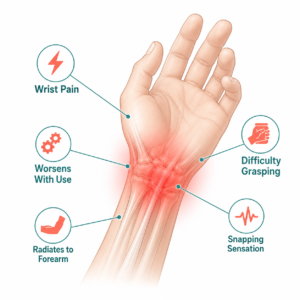
- Pain and tenderness along the thumb side of the wrist
- Pain that worsens with hand and thumb use
- Pain that comes on suddenly or develops gradually over time
- Pain that travels into the thumb or from the wrist into the forearm
- Difficulty or pain when grasping or pinching objects
- A snapping or popping sensation in the wrist when moving the thumb
How We Diagnose De Quervain's Tenosynovitis at Healthcapes
Diagnosis is typically confirmed using the Finkelstein test, where you make a fist with your fingers wrapped over your thumb, then gently move your wrist up and down, similar to a handshake motion. This movement pulls the swollen tendons through the narrowed sheath, and if it causes pain, it’s a strong indicator of De Quervain’s tenosynovitis. This, combined with a physical examination and discussion of your symptoms, is usually enough to confirm the diagnosis.
De Quervain's Tenosynovitis Treatment in Haldwani at Healthcapes
Once confirmed, we build a treatment plan focused on reducing inflammation and restoring pain-free movement to the thumb and wrist. This typically includes targeted physiotherapy and hand therapy exercises, along with therapies like Deep Tissue Laser Therapy to ease inflammation and support healing. We also help identify which daily activities or grip patterns may be aggravating the condition, so you can make practical adjustments alongside treatment to prevent it from returning.
Frequently Asked Questions
The exact reason isn’t fully understood, but it’s commonly linked to hormonal factors and repetitive hand use patterns, including activities like lifting and carrying young children.
Mild cases may improve with rest and activity modification, but ongoing or worsening symptoms usually respond much better with proper physiotherapy and treatment.
No, though arthritis can be a contributing factor. De Quervain’s specifically involves inflammation of the tendons and sheath at the base of the thumb, not the joint itself.
This varies by severity, but many patients see meaningful improvement within a few weeks of consistent treatment and activity adjustment.
