

Low Back Pain Treatment in Haldwani

Low Back Pain Treatment in Haldwani

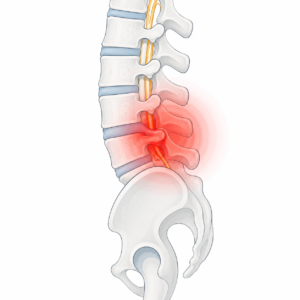
Low Back Pain Treatment in Haldwani at Healthcapes helps patients across a wide range of severity, from a mild, nagging ache to pain severe enough to disrupt daily life entirely. Lower back pain has a way of quietly limiting what you do; you start avoiding certain movements, sitting differently, or skipping activities altogether, often without fully realizing how much it’s changed your routine.

What Causes Low Back Pain

What Causes Low Back Pain

Pinning down an exact cause of low back pain can be tricky, since it’s often the result of one or more overlapping factors, including:

  • Overuse or strenuous activity, such as repetitive or heavy lifting
  • Injury, sprain, or strain
  • Degeneration of the vertebrae from age or long-term stress on the spine
  • Poor muscle tone or weakness in the back
  • Muscle tension or spasm
  • Joint problems, such as spinal stenosis
  • A protruding or herniated (slipped) disc
  • Being overweight, which adds pressure on the spine and discs
  • Underlying conditions like osteoarthritis, spondylitis, or compression fractures

Lifestyle factors like smoking and prolonged exposure to vibration, such as long hours of driving, can also contribute to ongoing back pain.

Symptoms of Low Back Pain

Low back pain is generally grouped into two categories:

  • Acute low back pain — lasts from a few days to a few weeks and typically resolves on its own
  • Chronic low back pain — persists for more than three months and often gets progressively worse, with the underlying cause sometimes difficult to pinpoint

The pain itself can vary quite a bit between patients, showing up as aching, burning, stabbing, sharp, or dull discomfort. It may also radiate into the buttocks, thigh, or hip.

How We Diagnose Low Back Pain at Healthcapes

Diagnosis starts with a complete medical history and physical examination. Depending on what we find, we may recommend imaging such as an X-ray for a clear view of the bones, a CT scan for more detailed imaging of bones, muscles, and surrounding structures, or an MRI scan for a closer look at soft tissue and discs. In some cases, an EMG test may also be used to check nerve and muscle function.

How to Help Prevent Low Back Pain

A few practical habits can go a long way in reducing your risk of low back pain:

  • Use correct lifting techniques
  • Maintain good posture while sitting, standing, and sleeping
  • Exercise regularly, with proper stretching beforehand
  • Avoid smoking
  • Maintain a healthy weight
  • Manage stress, since tension often shows up as muscle tightness in the back

Low Back Pain Treatment in Haldwani at Healthcapes

Once we understand what’s driving your low back pain, we build a treatment plan around that specific cause rather than a generic approach. This often includes physiotherapy to strengthen and stabilize the muscles supporting your spine, along with therapies like Deep Tissue Laser Therapy, Shock Wave Therapy, or Matrix Rhythm Therapy depending on your condition. For chronic cases, we also focus on longer-term strategies, like posture correction and movement habits, to reduce the chances of pain returning.

Frequently Asked Questions

When should I see someone about low back pain?

If pain persists beyond a couple of weeks, keeps returning, or is accompanied by radiating pain into the leg, numbness, or weakness, it’s worth getting a proper assessment.

Is bed rest good for low back pain?

Not usually. Gentle movement and staying active, within reason, tends to support recovery better than prolonged bed rest.

Can low back pain be treated without surgery?

In most cases, yes. Physiotherapy and targeted non-surgical treatments are effective for the vast majority of low back pain cases.

How long does treatment usually take?

This depends on whether the pain is acute or chronic, and its underlying cause. Your therapist will give you a realistic timeline after your assessment.

Scroll to Top