
Joint Stiffness

Joint Stiffness Treatment in Haldwani

Joint Stiffness Treatment in Haldwani at Healthcapes helps patients dealing with a problem that becomes more common as we age, though it isn’t limited to older adults alone. Some people notice it mainly after sitting for a long stretch or right after waking up, with the stiffness easing off once they start moving. For others, it lingers longer and becomes genuinely uncomfortable, sometimes even affecting how they stand or walk.

In more severe cases, joint stiffness can make it difficult to put weight on the joint at all, which is when it’s worth getting a proper assessment rather than waiting for it to pass on its own.

Common Causes of Joint Stiffness


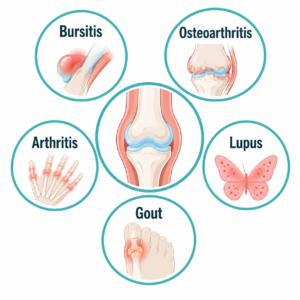
Bursitis

Bursitis develops when the small, fluid-filled sacs cushioning your joints, called bursae, become inflamed, leading to both pain and stiffness. It can affect almost any joint but shows up most often in larger joints like the shoulders, hips, knees, ankles, and elbows, as well as the big toe. In many cases, simply resting the joint and reducing movement that aggravates it allows the bursae to settle down, easing the stiffness over time.

Osteoarthritis

Osteoarthritis is a degenerative form of arthritis caused by gradual wear and tear on the joint, which is why it’s seen far more often in people over 65. It commonly affects the fingers, hips, knees, back, and neck, and as it progresses, it can bring swelling, pain, and a cracking or grinding sensation during movement.

Rheumatoid Arthritis

Rheumatoid arthritis is one of the more common causes of joint stiffness, typically appearing in younger adults between 30 and 60. It’s an autoimmune condition, meaning the immune system mistakenly attacks otherwise healthy joints, leading to pain and swelling. While there’s no outright cure, the right treatment plan can meaningfully slow its progression.

Lupus

Lupus is another autoimmune condition, where the immune system attacks healthy tissue, including muscles and joints. When it affects the joints, it typically causes swelling, stiffness, and pain. It can be tricky to diagnose since its symptoms overlap with several other conditions, and like rheumatoid arthritis, there’s no cure, though treatment can help manage symptoms.

Gout

Gout tends to affect men more often than women and is known for coming on suddenly, sometimes overnight, frequently in the big toe. It brings severe pain, tenderness, stiffness, swelling, and noticeable warmth in the joint. Gout often flares up for a period and then subsides, with many patients experiencing it on and off over the years.
When Joint Stiffness Needs Attention

Occasional stiffness after sitting still or first thing in the morning is common and often nothing to worry about. But if stiffness is affecting your ability to stand, walk, or bear weight on a joint, or if it’s lasting longer and getting worse rather than easing with movement, it’s worth having it properly assessed rather than managing it at home indefinitely.

Joint Stiffness Treatment in Haldwani at Healthcapes

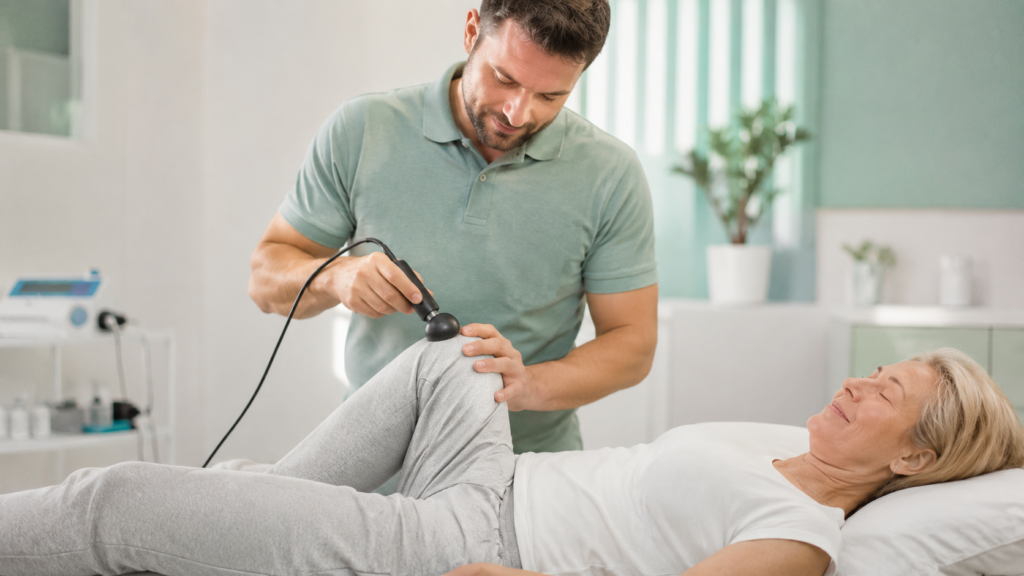
Once we understand what’s actually causing your joint stiffness, whether that’s bursitis, early osteoarthritis, or something else, we build a treatment plan around that specific cause. This might include physiotherapy to improve joint mobility and strengthen supporting muscles, along with therapies like Deep Tissue Laser Therapy or Matrix Rhythm Therapy to ease inflammation and stiffness. For patients dealing with ongoing conditions like arthritis, we also focus on longer-term strategies to keep stiffness manageable and protect the joint over time.

FAQs

Not always. While it’s more common as we age, joint stiffness can also result from conditions like bursitis, autoimmune disorders, or gout, regardless of age.

When should I see someone about joint stiffness?

If stiffness is affecting your ability to walk, stand, or bear weight, or if it’s lasting longer and worsening rather than easing with movement, it’s worth getting assessed.

Can joint stiffness be treated without medication?

In many cases, yes. Physiotherapy and targeted non-surgical treatments can be very effective, especially when the underlying cause is identified early.

Does joint stiffness mean I have arthritis?

Not necessarily. Stiffness can come from several different causes, including bursitis, lupus, or gout, so a proper assessment is the best way to know for sure.

Scroll to Top