
Osteoarthritis Treatment
Osteoarthritis Treatment in Haldwani

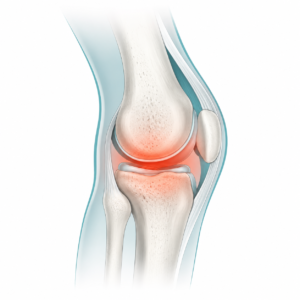
Osteoarthritis Treatment in Haldwani at Healthcapes is built for one of the most common joint conditions out there, often called “wear and tear” arthritis.It can affect any joint, but it shows up most often in the hands, hips, and knees, gradually wearing away the cartilage that normally cushions your bones. It’s a slow process, which is exactly why so many people don’t take it seriously until the pain and stiffness start affecting daily life. By the time most patients come to us, they’ve usually been living with it for a while, adjusting the way they walk, sit, or climb stairs without really noticing how much they’ve changed their routine around the pain. That’s often the real cost of osteoarthritis: not just the joint pain itself, but the small, everyday compromises that build up around it. The good news is that even though the condition itself can’t be reversed, there’s a lot that can be done to slow it down, manage the pain effectively, and help you move through your day without constantly working around your joints.
What Happens to a Joint with Osteoarthritis

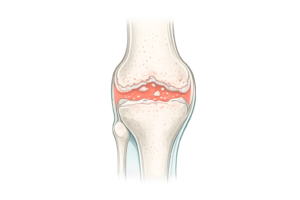
Healthy cartilage acts like a smooth cushion between the bones in a joint, letting it move easily and comfortably. With osteoarthritis, that cartilage gradually thins, and over time, it can wear away enough that bones start rubbing directly against each other, causing pain, swelling, and reduced movement. In some cases, the bone ends may even thicken where they meet, and small fragments of cartilage can break loose and interfere with normal joint movement, adding to the pain and stiffness.
Symptoms of Osteoarthritis

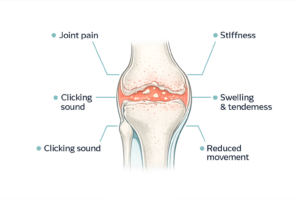
The most common signs patients describe include:
- Pain or a persistent ache in the joint
- Stiffness, especially after sitting still or waking up
- Swelling and tenderness around the joint
- A clicking or grinding sound during movement
- A noticeable reduction in how far the joint can move

What Causes Osteoarthritis
There’s no single, exact cause of osteoarthritis, but a few factors tend to play a role. It can run in families, and it’s more common in people who’ve played sports over the years, since repetitive strain on joints adds up over time. For most people, though, it comes down to ordinary wear and tear that builds up gradually across a lifetime of joint use.
Who's at Higher Risk of Osteoarthritis
Certain factors make osteoarthritis more likely:
- Being overweight — extra weight adds strain to weight-bearing joints like the knees, hips, and spine
- Previous joint injury — joints that have been injured or had steroid injections are more prone to developing it later
- Age — it becomes more common as joints simply get more years of use behind them
- Gender — women are more likely to develop it than men, particularly after age 50
- Repetitive occupations — jobs involving the same motion repeatedly, like painting or heavy lifting, raise the risk
How We Diagnose Osteoarthritis at Healthcapes
Diagnosis usually starts with understanding your pain pattern, particularly whether it worsens with activity and eases with rest, followed by a physical examination to check joint movement. We may recommend an X-ray of the affected joint to see what’s happening structurally, and blood tests can help rule out other types of arthritis that might be contributing to your symptoms.
Osteoarthritis Treatment in Haldwani at Healthcapes
While osteoarthritis can’t be reversed, the right treatment plan makes a real difference in how much it affects your daily life. At Healthcapes, treatment typically combines physiotherapy to strengthen the muscles supporting the joint, along with therapies like Deep Tissue Laser Therapy or Matrix Rhythm Therapy to help manage pain and improve mobility. We also work with you on practical strategies, like avoiding repetitive strain and maintaining a healthy weight, to help slow further wear on the joint over time.
Frequently Asked Questions
Not entirely, since it’s linked to natural wear and tear over time, but maintaining a healthy weight, avoiding repetitive joint strain, and strengthening the muscles around your joints can help slow its progression.
No. Osteoarthritis is caused by wear and tear on the cartilage, while rheumatoid arthritis is an autoimmune condition. They require different approaches to treatment.
Yes, in most cases. Physiotherapy and targeted non-surgical treatments can effectively manage pain and improve joint function for many patients.
It’s a progressive condition, but the right treatment and lifestyle adjustments can significantly slow its progression and help manage symptoms long-term.
