Healthcapes
Shock Wave Therapy RPW 2
Radial Pressure Wave Therapy (RPWT)-
Have you tried everything to treat your painful condition, but to no avail? If so, Radial Pressure Wave Therapy may be for you. This form of treatment has been proven successful in treating many conditions which are difficult to treat. This is typically the last conservative gift before surgery is recommended – so before undergoing the knife, take a chance with this therapy.
Contact us today to learn more!
This Therapy uses therapeutic shockwaves to reduce pain and promote healing within the affected area(s) of the body. This form of treatment works to “lead to faster and long-term healing and regeneration of the tissue.”
Radial pressure wave (RPW) therapy uses ultrasound technology to treat bone and soft tissue injuries. Also known as shockwave therapy, RPW therapy sends high-energy acoustic (sound) waves into the treatment area to help reduce muscle pain and aches and promote healing without surgery or medication. 
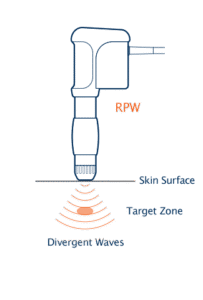
In the last two decades, shockwave therapy has increasingly been used for treating musculoskeletal disorders. The wave hits the body at skin surface and travels to a depth of around 2”, where it creates oscillations – repetitive back-and-forth movements – in the tissue. This stimulates blood supply and cell growth in the damaged area, leading to the regeneration of healthy tissue and bone.
It combines 2 techniques-

Vibration therapy- The V-ACTOR is a vibration therapy handpiece and used as an accessory for radial pressure wave therapy. muscle vibration at a frequency of up to 50hz is improving the microcirculation enhancing the supply of nutriments and return of metabolic waste through the smallest vascular and lymphatic channels.
INDICATIONS:
Treatment of superficial trigger points
Lymphatic drainage
Increase in local blood circulation
Muscle smoothing along muscle bundles
Connective tissue activation
Wellness massage
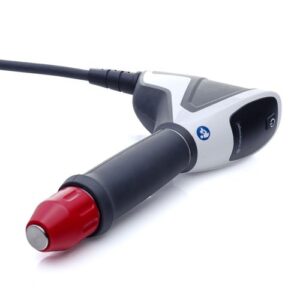
2)Radial Pressure Wave – The shock waves or Radial pressure waves are generated with a precision ballistic mechanism in the handpiece. A projectile is accelerated by compresses air.
The motion and weight of the projectile produce kinetic energy. When the projectile impacts against an immovable surface, the shock transmitter, this kinetic energy is converted into sound energy. This acoustic pulse is transmitted into the tissue to be treated directly with the help of a gel.
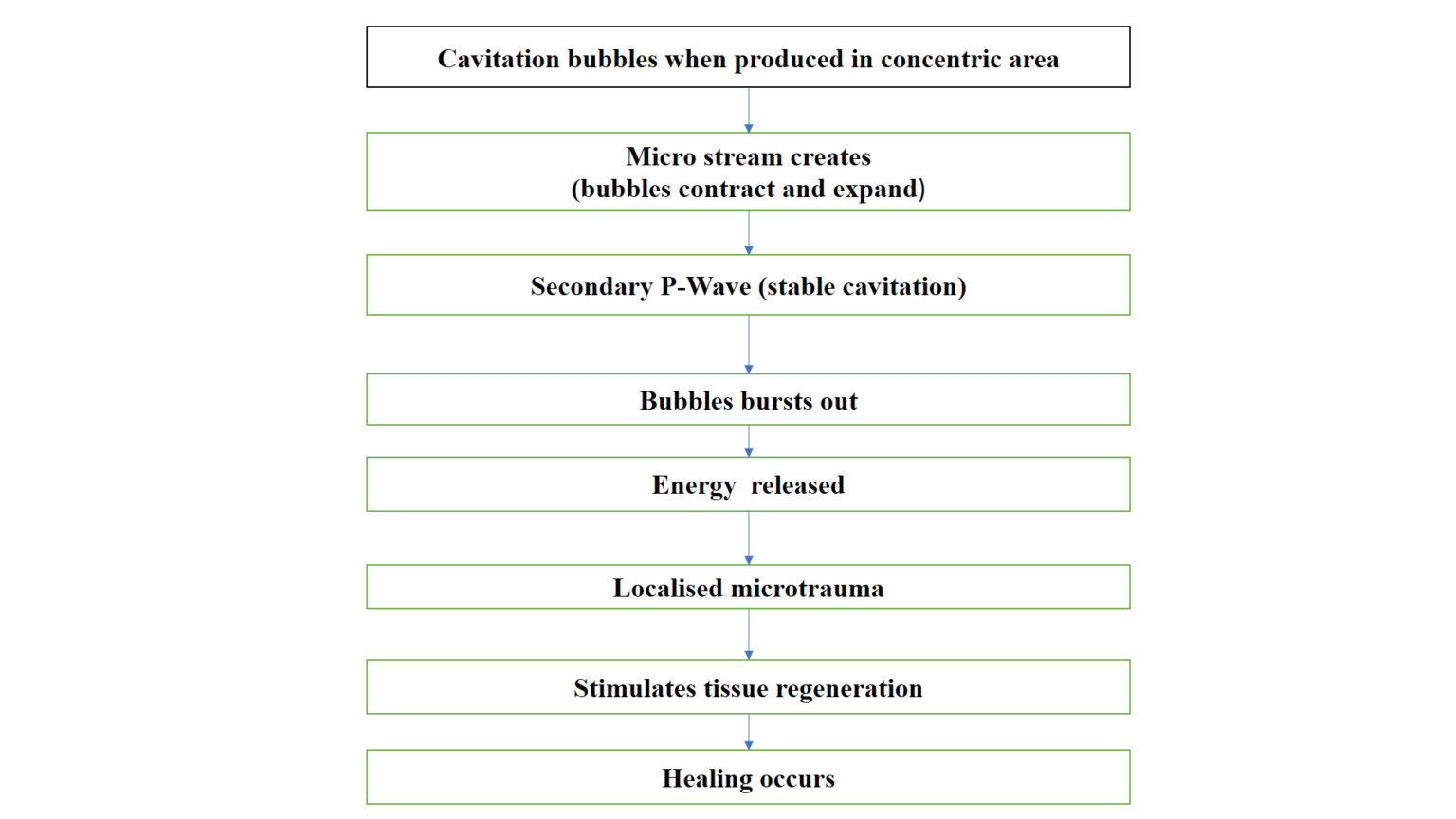
Based upon the mechanism of stable cavitation.it occurs during a tensile phase of shock wave where negative pressure at room temperature creates a gas bubble.
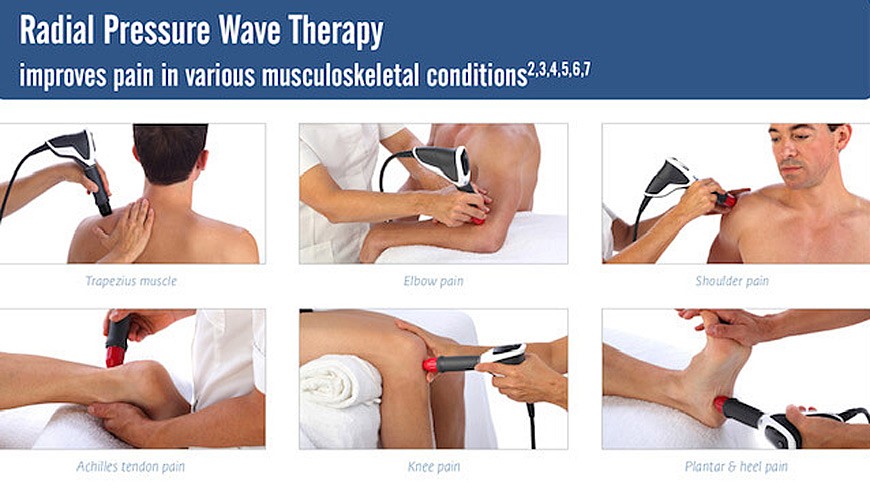
Conditions Treatable with Radial pressure wave Therapy-
The shockwave will radiate into the affected area and spread to the surrounding areas nearby. Relief should be noticed almost immediately, as pain is alleviated through the shockwaves.
This form of treatment accounts for a quick recovery with quick results – in fact, there are usually no more than 3-4 sessions required for optimum results.
- Shoulder Pain
- Hip Pain
- Knee osteoarthritis
- Tennis Elbow
- Plantar Fasciitis
- Chronic tendinopathy
- Medial tibial stress syndrome
- Cervicalgia
- Dorsalgia
- Lumbalgia
- Myofascial trigger points
History of Extracorporeal Shockwave Therapy
Extracorporeal Shockwave Therapy (ESWT) otherwise referred to as shockwave therapy, was first introduced into clinical practice in 1982 for the management of urologic conditions. The success of this technology for the treatment of urinary stones quickly made it a first-line, noninvasive, and effective method. Subsequently, ESWT was studied in orthopedics where it was identified that it could loosen the cement in total hip arthroplasty revisions[3]. Further, animal studies conducted in the 1980s revealed that ESWT could augment the bone-cement interface, enhance osteogenic response and improve fracture healing. While shockwave therapy has been shown to be beneficial in fracture healing, most orthopedic research has focused on upper and lower extremity tendinopathies, fasciopathies, and soft tissue conditions.
Physiology of ESWT
Shockwaves are sound waves that have specific physical characteristics, including nonlinearity, high peak pressure followed by low tensile amplitude, short rise time, and short duration (10 ms). They have a single pulse, a wide frequency range (0-20 MHz), and a high pressure amplitude (0-120 MPa)
These characteristics produce a positive and negative phase of shockwave. The positive phase produces direct mechanical forces, whereas the negative phase generates cavitation and gas bubbles that subsequently implode at high speeds, generating a second wave of shockwaves.
In comparison to ultrasound waves, the shockwave peak pressure is approximately 1000 times greater than the peak pressure of an ultrasound wave.
Book an Appointment
Please fill in the form below so we can get in touch with you.
- 4.9 Rating ⭐⭐⭐⭐⭐ | Google Rated us Excellent with 4.9 Rating with 250+ Reviews.
RPW 2
Technique
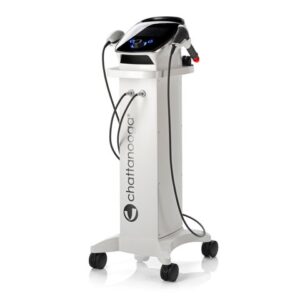
The Intelect Mobile 2 RPW is a powerful, yet portable radial pressure wave device. It features a lightweight and compact design as well as a quiet built-in compressor. The simple, ergonomically laid out controls enable all the key parameters to be easily changed. A clear, illuminated LED display removes ambiguity when monitoring pressure, frequency and number of pulses. Pulses can be initiated via a trigger mechanism on the handpiece. The Mobile 2 RPW is suitable for portable use as it is compact and light enough to be easily carried anywhere. Use it in the clinic or on the sports field. Standard accessories include the applicator set, beam transmitter, D-Actor 20mm transmitter, 250ml conductor transmission gel, CD user manual, power cord and revision kit.
General Guidelines & Tips
- Once you’ve localized the painful areas you plan to treat, it can be helpful to mark these with a felt pen.
- Some applicators can be heavy to hold, so it’s important to find a comfortable grip that can be maintained for the duration of the treatment.
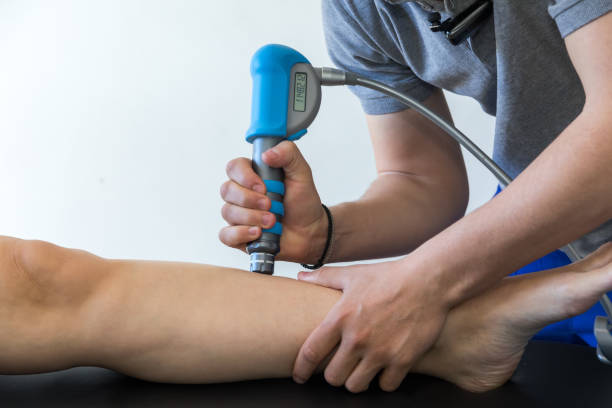
- Make sure to apply a generous amount of transmission gel to the skin overlying the treatment area, as this will help the pressure waves propagate into the tissue.
- While application techniques are dictated by indication, small circular movements can be used to treat the most painful spots.
- During tendon treatment, it can be beneficial to keep the tendon in a slight stretch.
- Perform post-treatment assessments to see if there is a decrease in pain, and better function.
If you’re looking for non-surgical, drug-free relief from your pain, schedule an appointment with us today. We’re dedicated to helping patients achieve total body health and wellness. That’s why we work with you to resolve the issue that’s causing your pain, not simply hide it with medication.